Lazy Font for Web Design and Digital Creativity
The Lazy font brings a touch of elegance and personality to any digital project. As a script handwritten typeface, it offers a delicate balance between charm and readability, making it ideal for creative web design applications. Whether you're building a wedding invitation site or crafting a brand-focused landing page, Lazy can elevate your visual storytelling.
Visual Characteristics and Style
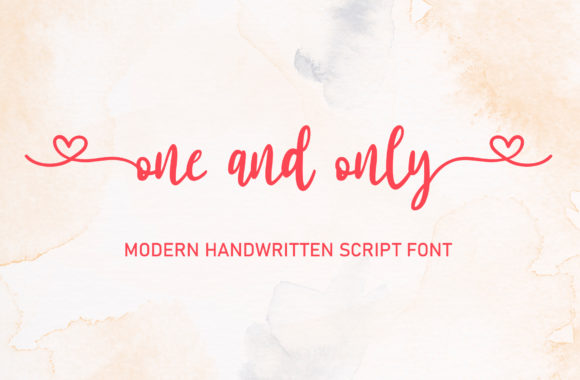
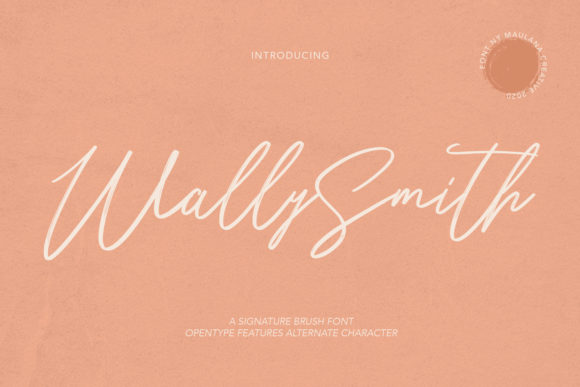
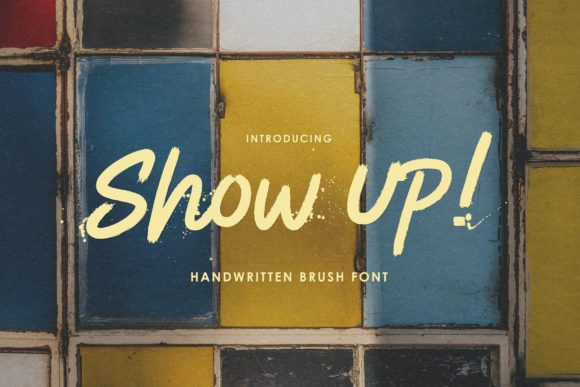
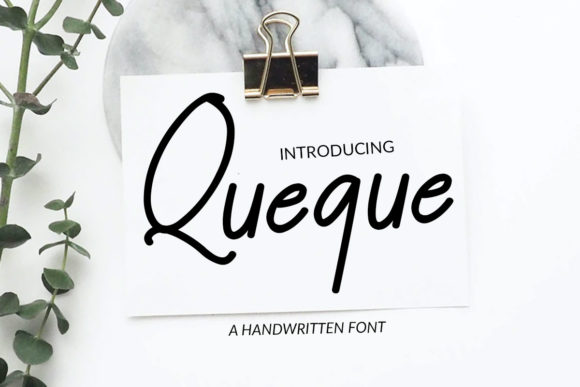
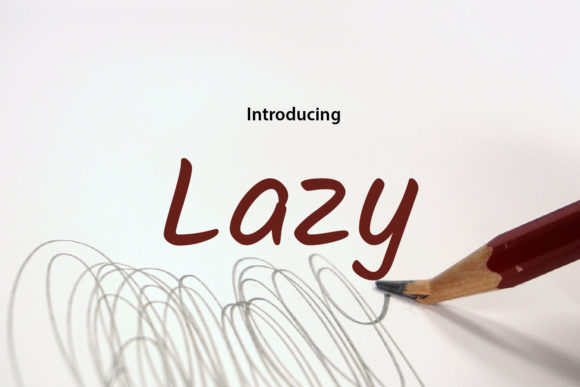
Lazy is a beautifully crafted handwritten font that exudes a sense of warmth and authenticity. Its soft curves and natural flow give it a personal, almost conversational feel. This makes it especially well-suited for content that aims to connect emotionally with the audience, such as blog headers, portfolio sites, or coaching websites.
The font's delicate nature means it works best in situations where emphasis and style are more important than dense text blocks. It carries a subtle energy that can enhance the tone of your brand without overpowering it.
Using Lazy in Web Design Layouts
When designing for the web, Lazy can be used effectively in hero sections, call-to-action areas, and decorative elements. For instance, using Lazy in a header or subheading on a product landing page adds a unique flair while maintaining a professional look.
In online store banners, Lazy can help draw attention to key selling points, especially when paired with a clean sans serif font for body copy. This combination ensures that the design remains visually balanced and easy to read.
For boutique shops or creative portfolios, Lazy can serve as a strong visual anchor. It pairs well with minimalist layouts and helps create a cohesive brand identity that feels both modern and approachable.
Readability and Visual Hierarchy
While Lazy is a decorative script font, it still maintains a level of readability that works well in smaller doses. It’s best suited for short phrases, titles, and headings rather than long paragraphs of text. When used correctly, it can guide the user's eye through the layout and support a clear visual hierarchy.
On mobile screens, it’s essential to ensure that Lazy doesn’t become too small or difficult to read. Testing different sizes and spacing will help maintain its legibility across all devices. When using Lazy over dark backgrounds or image overlays, consider adding a subtle stroke or background color to improve contrast.
Brand Tone and User Engagement
The use of Lazy can significantly influence the tone of your brand. Its handwritten style communicates a sense of intimacy and creativity, which is perfect for brands that want to appear more personal and relatable. This can be especially effective in industries like lifestyle, wellness, or creative services.
By integrating Lazy into your website's typography, you can create a more engaging experience for users. The font's character helps build trust and connection, encouraging visitors to spend more time on your site and take desired actions, such as signing up for a newsletter or making a purchase.
Font Pairing and Design Assets
Lazy pairs exceptionally well with simple sans serif fonts like Helvetica or Arial for body text. This contrast creates a dynamic yet balanced layout, ensuring that your content remains scannable and easy to digest.
For editorial-style designs or digital magazines, pairing Lazy with a serif font can add a touch of sophistication. This combination is particularly useful for headlines and section titles, allowing the design to feel both elegant and modern.
When selecting Lazy for a project, always check for available styles, weights, and multilingual support. These factors will determine how versatile the font is across different languages and platforms.
Commercial Use and Licensing
If you're planning to use Lazy for client projects, online stores, or digital templates, it's crucial to ensure that you have the appropriate commercial license. Many premium fonts require specific permissions for web use, so always review the licensing terms before implementation.
Lazy is an excellent choice for branding kits, social media graphics, and marketing materials. Its versatility allows it to be used across various formats, from print to digital, ensuring a consistent brand presence throughout all touchpoints.
Practical Applications and Examples
Lazy can be used creatively in a variety of scenarios. For example, a creative portfolio site could feature Lazy in the navigation menu and section headings, giving it a distinctive and artistic feel. Similarly, a boutique online store might use Lazy for product titles and promotional banners to stand out in a crowded marketplace.
Coaching websites benefit from Lazy's friendly and approachable style, helping to establish a warm and inviting atmosphere. On course sales pages, Lazy can be used for headlines and key features, drawing attention to what makes the course valuable.
In digital ads, Lazy can be used sparingly to highlight a call-to-action or a special offer. Its presence adds a human touch that can increase engagement and click-through rates.
Overall, Lazy is a powerful tool for any designer looking to add a unique and memorable touch to their digital work. Its ability to blend elegance with usability makes it a valuable asset in the world of web design and digital creativity.